Dmanisi skulls illustrate Darwin’s idea of gradual evolution
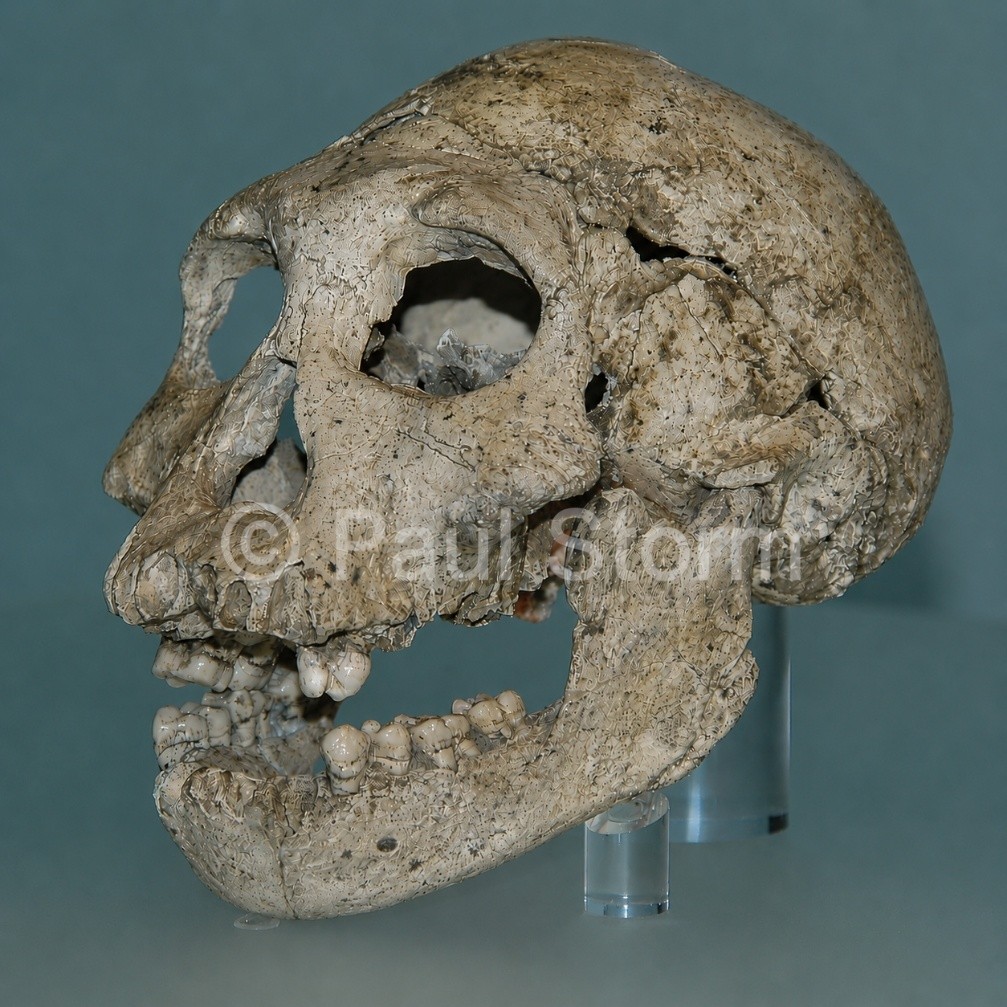
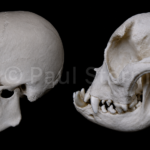
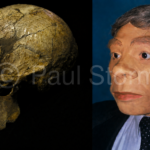
During the Darwin Year in 2009, a sensational skull from Dmanisi (Georgia) was on display at Naturalis in Leiden, the Netherlands. Not a replica like the ones we often encounter in museums, but the original itself! The finds from Dmanisi are among the oldest known remains of the genus Homo outside Africa (about 1.77 million years old). When you compare the skull with that of a modern chimpanzee and a modern human, it immediately becomes clear that it represents neither. It belongs to an early human form that no longer exists today.
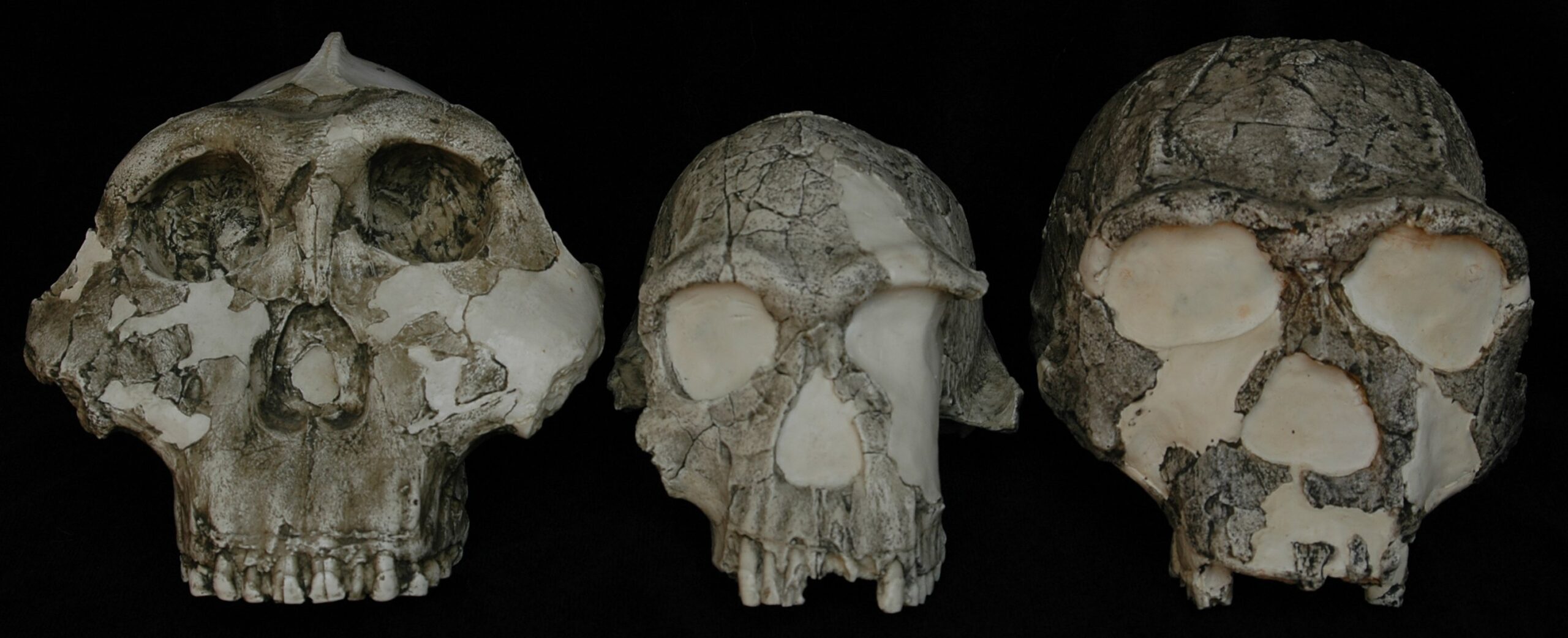
At the same time, the Dmanisi skulls show how difficult it is to place early human forms into separate taxa. They display a mixture of features that we also encounter in other early human “species.” This is exactly what evolution leads us to expect: not sharp boundaries between successive forms, but gradual transitions. It therefore makes little sense to speak of “the first human,” since there is no exact starting point. That is why the Dmanisi skulls illustrate Darwin’s idea of gradual evolution so beautifully.