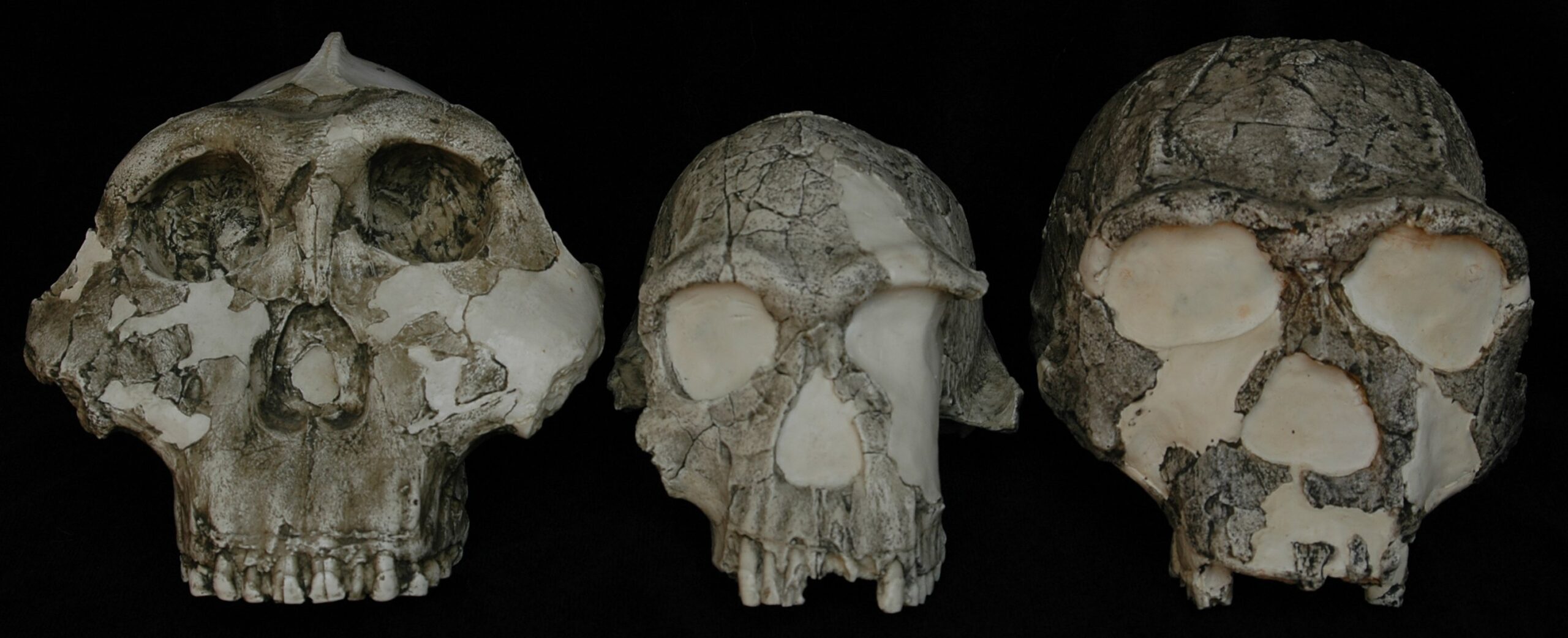
Why Did Africa Keep So Many Giants?
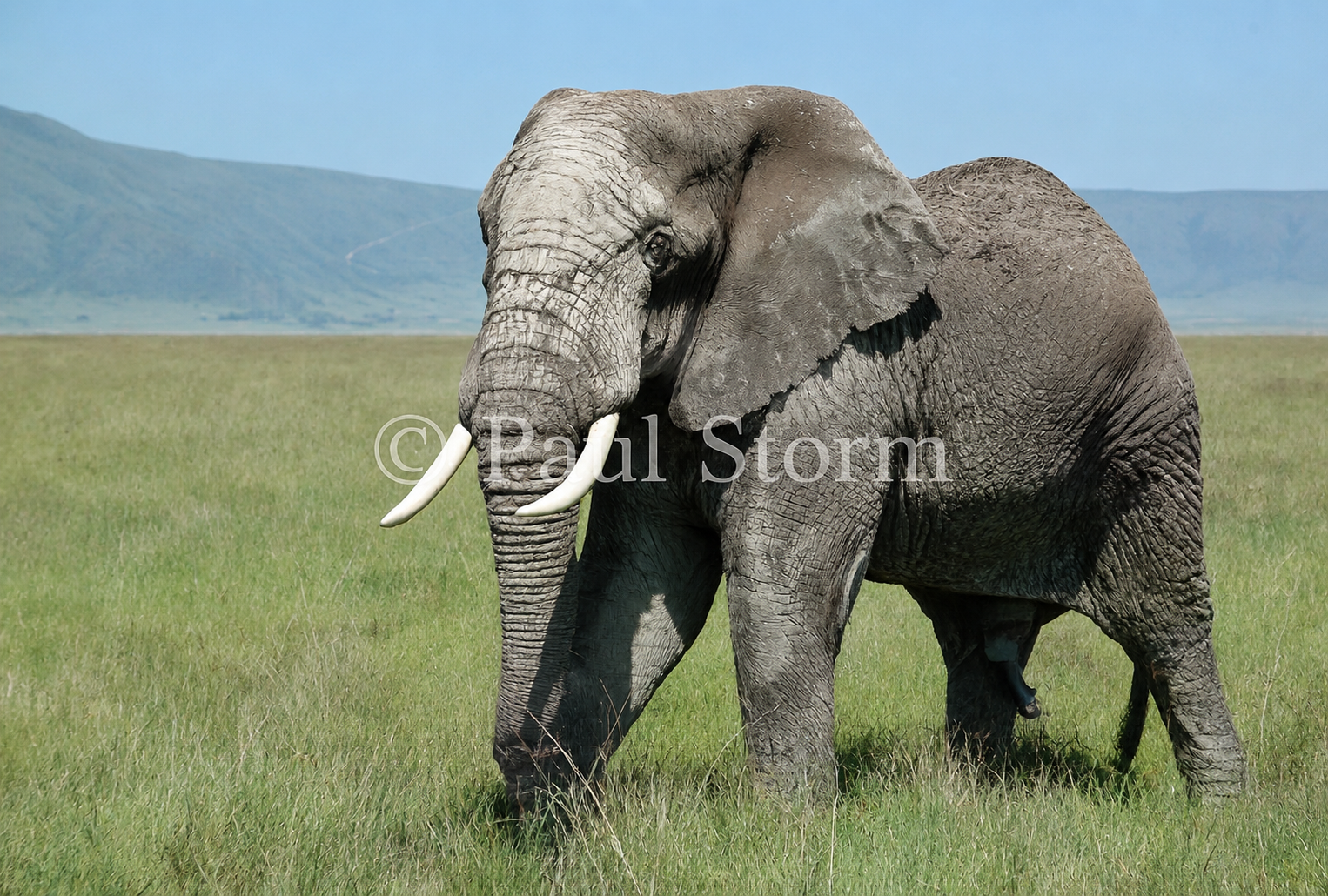
A journey through Africa can be an incredibly impressive experience thanks to the presence of large animals. Many large animal species disappeared from North America, South America and Australia. Yet Africa still retains elephants, rhinos, giraffes and hippos. But why does Africa still have such a rich community of large animals, while North and South America and Australia have lost a large part of their original giants?
A possible explanation is that hominins and large mammals shared contrasting evolutionary histories on different continents. Although climate change may also have contributed to the extinction of many large animal species, it is striking that many extinctions in North America, South America, and Australia seem to have occurred shortly after humans arrived, despite the wide range of ecosystems involved. Africa appears to differ from the other continents in this respect. Hominins originated in Africa and lived alongside large mammals there for millions of years. This long coexistence may have given African animals more time to evolve behavioural responses to hominins.
Asia appears to occupy an interesting middle position. Hominins reached large parts of Asia relatively early. This occurred later than in Africa, but much earlier than in the Americas and Australia. As a result, parts of the Asian fauna were confronted with hominins relatively early on. This may help explain why species such as the Asian elephant and several rhinoceros species still survive there today.